

The Benefits of Having Travel Insurance
Introduction
Travel insurance is an essential component of responsible travel planning. Whether travelling for business, leisure, study, or extended stays abroad, unforeseen events can arise at any moment. From medical emergencies to flight disruptions, travel insurance provides financial protection, practical assistance, and peace of mind when it matters most.
Travel insurance supports informed and responsible travel by protecting individuals against medical, financial, and logistical risks associated with international journeys.
Mandatory Requirement for Visas

In many countries, travel insurance is a mandatory requirement for visa approval. This is particularly relevant for travellers applying for Schengen visas, where insurance coverage must include emergency medical treatment and repatriation with a minimum coverage limit.
Without valid travel insurance, visa applications may be delayed or rejected, even if all other documentation is complete. Ensuring appropriate coverage in advance helps avoid unnecessary stress and travel disruptions.
Financial Protection for Medical Emergencies

Medical treatment abroad can be extremely expensive, particularly in countries like the United States, Singapore, Hong Kong, United Kingdom, Switzerland, or parts of Western Europe. Even a short hospital stay or emergency procedure can cost thousands or tens of thousands of dollars.
The SIP Health Cost Index benchmarks average medical costs across countries, helping travellers understand potential financial exposure when traveling or relocating internationally.
Travel insurance ensures travellers are protected from these unexpected costs, providing coverage for:
- Emergency medical treatment
- Hospitalisation and surgery
- Ambulance services
- Emergency medical evacuation and repatriation
Travel Insurance is Not the Same as Health Insurance
Travel insurance and health insurance are often confused. However, it is important to understand that they serve fundamentally different purposes. Travel insurance is designed for short-term trips and focuses on emergencies and trip-related risks. It is primarily a risk-mitigation product linked to a specific journey, covering unforeseen events such as medical emergencies abroad, trip cancellations, or lost luggage. It is not intended to replace health insurance, as it excludes routine care, chronic conditions, and long-term treatment. Pre-existing medical conditions are mostly excluded from cover, together with a long list of other general exclusions.
In contrast, health insurance and international private medical insurance are automatically renewing annual contracts designed to finance medical care long-term and without age-limit, including diagnostics, ongoing treatment, and preventive services. A travel insurance may cost a few hundred to thousand dollars depending on the length of travel and selected coverage. Depending on one’s age and country or residence, an international health insurance will cost between USD 6’000 – 20’000 per year for a person.
Trip Cancellation and Interruption Coverage

Unexpected circumstances such as illness, family emergencies, or unforeseen events may force travellers to cancel or shorten their trips. Travel insurance can reimburse non-refundable expenses, including:
- Flight tickets
- Hotel bookings
- Prepaid tours or activities
Some policies also offer enhanced flexibility through broader cancellation options, making them particularly suitable for frequent travellers or long-haul journeys.
Coverage for Lost, Stolen, or Delayed Baggage

Baggage delays, loss, or theft are common travel inconveniences. Travel insurance helps minimise disruption by providing compensation for:
- Essential purchases during baggage delays
- Replacement of lost or stolen belongings
- Damaged luggage
This coverage allows travellers to continue their journey with minimal inconvenience.
24/7 Emergency Assistance and Support
Beyond financial protection, travel insurance provides access to round-the-clock emergency assistance services. These services are especially valuable when navigating unfamiliar destinations and languages.
Support services may include:
- Medical provider referrals
- Emergency coordination
- Assistance with lost travel documents
- Emergency cash arrangements
Access to professional assistance at any time ensures travellers are never left unsupported.
Protection Against Travel Delays
Flight delays, cancellations, and missed connections can result in unexpected additional expenses. Many travel insurance policies reimburse costs related to:
- Accommodation during delays
- Meals and transportation
- Rebooking fees
This benefit is particularly valuable during peak travel seasons or complex international itineraries.
Peace of Mind While Travelling
One of the most significant benefits of travel insurance is peace of mind. Knowing that medical care, emergency assistance, and financial protection are in place allows travellers to focus fully on their journey rather than potential risks.
Experienced travellers often view travel insurance as a fundamental part of well-planned international travel.
Who Should Consider Travel Insurance? And who not?

Travel insurance is suitable for a wide range of travellers, including:
- Business professionals travelling internationally
- Families travelling with children
- Senior travellers
- Frequent travellers
Each group faces different risks while travelling, and a well-structured travel insurance policy ensures coverage tailored to individual needs.
On the other hand, travel insurance will not be suitable for the following travellers. Primarily because they are spending extended periods of time abroad, live or work abroad permanently, or face special risks due to their profession or age. For them, only private medical insurance will provide appropriate cover and peace of mind:
- Expats and Global Citizens
- Professional athletes
- Digital nomads
- Retirees
Travel Insurance vs Travel Medical Insurance
Although often used interchangeably, travel insurance and travel medical insurance are not exactly the same.
Travel insurance generally includes:
- Trip cancellation and interruption
- Baggage loss or delay
- Travel delays
- Emergency medical treatment
Travel medical insurance primarily focuses on:
- Medical emergencies abroad
- Hospitalisation and treatment
- Emergency evacuation
Selecting the right solution depends on the purpose, duration, and nature of travel.
Common Misconceptions About Travel Insurance
Many travellers avoid purchasing travel insurance due to common misconceptions:
- Nothing will go wrong during the trip
- Credit card insurance provides full coverage
- Travel insurance is too expensive
In reality, credit card coverage is often limited, and travel insurance is generally affordable when compared to the potential costs of medical emergencies or trip disruptions.
What to Check Before Buying Travel Insurance
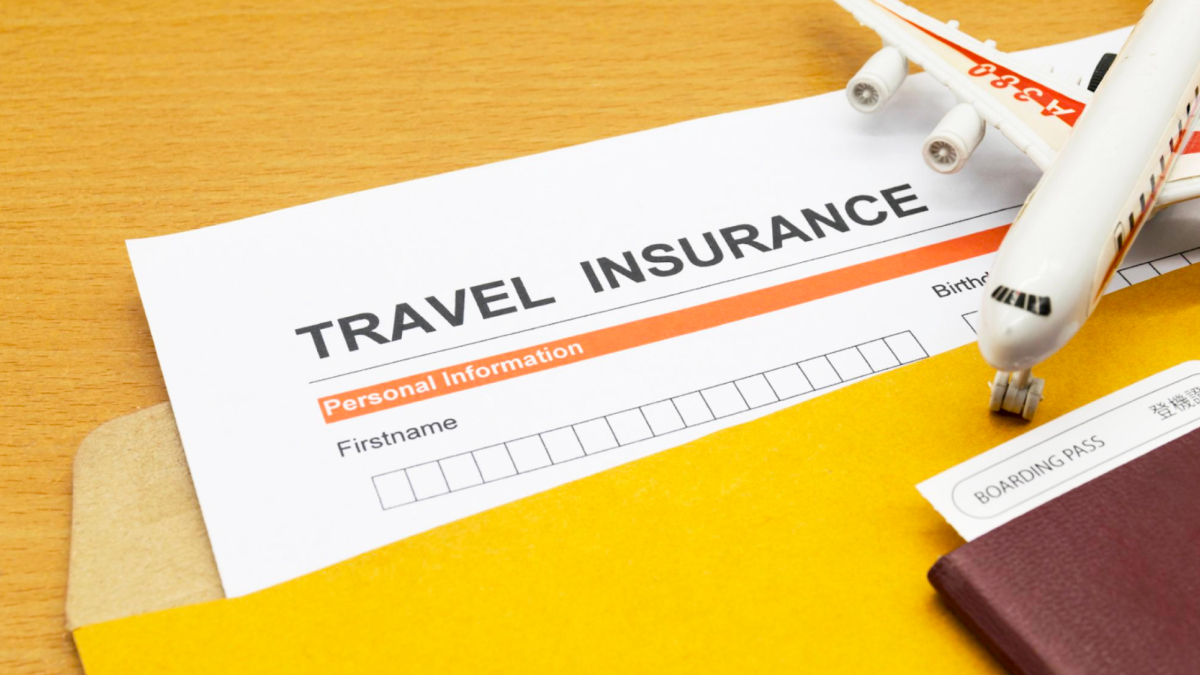
Before selecting a travel insurance policy, travellers should carefully review the following:
- Coverage limits for medical treatment
- Emergency evacuation and repatriation benefits
- Exclusions and waiting periods
- Coverage for pre-existing medical conditions
- Geographical coverage
Understanding these details ensures the policy aligns with the traveller’s needs and expectations. Especially for individuals at a higher age, it is important to make a very careful selection given the higher risk of unexpected medical incidents, due to age limits of most travel insurance policies, and also because travel insurance excludes any pre-existing medical conditions that are usually present after a certain age.
Frequently Asked Questions
Is travel insurance mandatory for visa purposes?
In many countries, travel insurance is mandatory for visa approval, especially for Schengen visas. Even when not required, it is strongly recommended having coverage for medical emergencies, evacuation, and trip disruptions.
Does travel insurance cover pandemics or similar illnesses?
Coverage depends on policy terms. Many travel insurance plans include medical coverage for pandemic-related illnesses, but it is important to verify specific inclusions and exclusions before travelling.
Can travel insurance be purchased after booking a trip?
Yes, travel insurance can usually be purchased after booking, although certain benefits such as pre-existing condition coverage or trip cancellation protection may require early purchase. However, travel insurance should always be purchased before traveling.
Will travel insurance cover pre-existing medical conditions?
Coverage for pre-existing conditions is usually excluded from travel insurance cover. Under certain circumstances (stable medical condition, no change in medication for at least 6 months) you may have limited cover for pre-existing medical conditions.
How does travel insurance work with existing health coverage?
If you already have an international health insurance, travel insurance can complement your coverage by providing protection in countries that are excluded from your area of coverage and by offering classical travel insurance elements such as loss of baggage or trip cancellation cover.
Are there age limits for senior travellers?
Yes, many policies include age-based conditions or age limits until which a policy can be purchased.
Can travel insurance be extended mid-trip if travel plans change?
Some travel insurance plans can be purchased as annual multi-trip policies. These options are particularly interesting for frequent travellers.