
Best International Private Medical Insurance for Professional Athletes
Professional athletes operate in a high-performance environment where physical health is directly linked to career longevity and income. Intensive training schedules, frequent international travel, and the constant risk of injury make standard health insurance insufficient for most professional athletes. Over and above, most health insurance policies have a general exclusion for any professional sports activities. Meaning that the insurance would not pay for medical costs related to injuries occurred during training or competition as a professional athlete. This is where international private medical insurance becomes a critical part of an athlete’s career planning.
Unlike general health plans, athlete-focused international insurance is designed to support sports-related injuries and continuity of care across borders. All being essential elements for maintaining peak performance.
Why Professional Athletes Require Specialized Medical Insurance
Professional athletes face medical risks that go far beyond those of the general population. High-impact training, repetitive stress injuries, and competition-related accidents increase both the frequency and complexity of medical claims.
In addition, many athletes:
- Compete and train internationally throughout the year
- Require immediate treatment to avoid long recovery periods
- Depend on rehabilitation and physiotherapy to return to competition

For athletes living or training abroad, relying solely on local healthcare systems can create gaps in treatment. This is why many professionals explore international private medical insurance solutions that offer coverage regardless of location, similar to the plans designed for globally mobile individuals.
Key Coverage Features Athletes Should Look For
Choosing the right medical insurance is not just about cost, it’s about having the right insurance benefits that are available long-term and adequate protection throughout a full career. A strong international private medical insurance plan for athletes should include:
Worldwide Medical Coverage
Athletes often compete and train in multiple countries. A global policy ensures access to medical care wherever an injury or illness occurs, without geographic restrictions.
Sports-Related Injury Coverage
Many standard policies exclude injuries linked to professional sports. Athletes should confirm that their policy explicitly includes training and competition-related injuries.
Direct Access to Specialists
Fast access to orthopedic surgeons, sports physicians, and diagnostic imaging can significantly reduce downtime. Delays in treatment can directly impact performance and career progression.
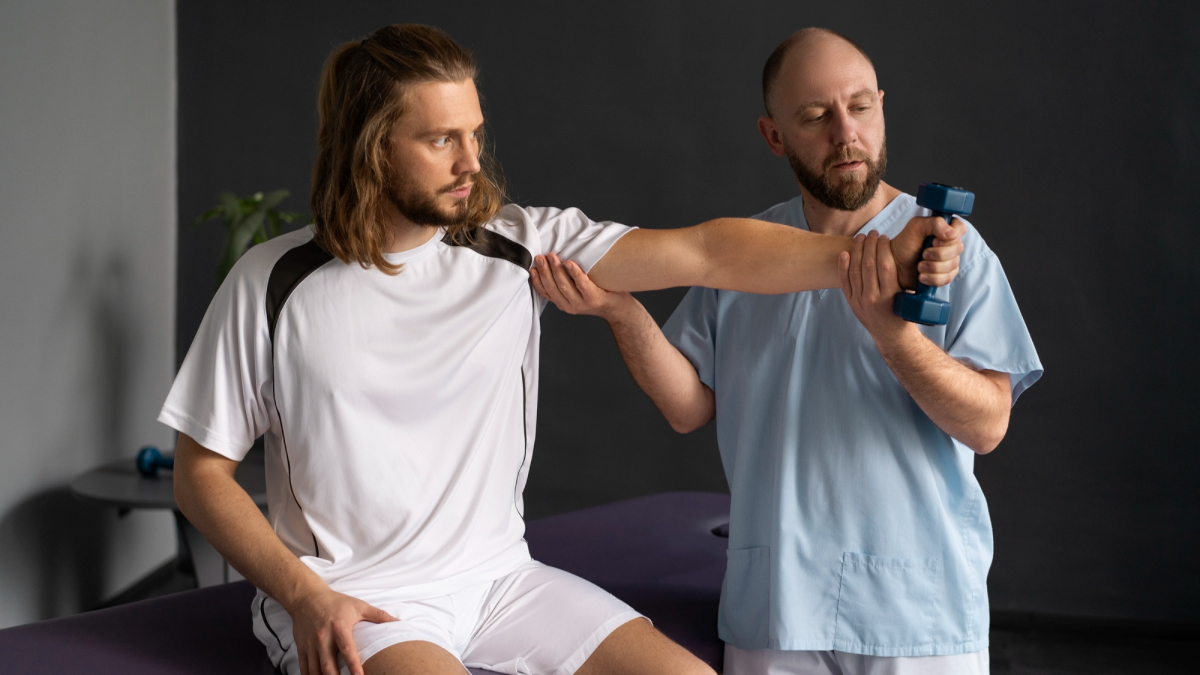
Rehabilitation and Physiotherapy
Recovery does not end with surgery. Comprehensive plans should include physiotherapy, rehabilitation programs, and follow-up care, which are often essential for safe return to sport.
Optional Family Coverage
Athletes who travel with family members and their entourage may benefit from policies that extend coverage to dependents and team members, ensuring continuity of care during international relocations.
Athletes looking for tailored solutions can explore health insurance specifically designed for athletes, where coverage is assessed based on sport type and risk profile.
Understanding Risk Classification and Policy Limitations
One of the most overlooked aspects of athlete medical insurance is sport risk classification. Insurers categorize sports differently, and coverage terms may vary depending on whether a sport is considered moderate or high risk.
Professional athletes should carefully review:
- Policy exclusions related to specific sports
- Waiting periods for maternity, dental, or check-up costs
- Annual or lifetime benefit limits
- Claim approval and reimbursement timelines
Working with advisors experienced in athlete insurance helps prevent situations where claims are denied due to misunderstood exclusions or incomplete disclosures.
Why International Coverage Is Critical for Career Stability
For athletes competing internationally, gaps in medical coverage can lead to delayed treatment or forced reliance on unfamiliar healthcare systems. International private medical insurance provides consistent access to care, allowing athletes to focus on recovery rather than logistics.
Independent research published by the British Journal of Sports Medicine highlights that delayed or inconsistent rehabilitation significantly increases reinjury risk among elite athletes, reinforcing the importance of uninterrupted medical access throughout an athlete’s career.
Choosing the Right Insurance Partner

Not all insurers are equipped to handle athlete-specific needs. Some providers have reduced coverage for professional athletes due to higher claim volumes, making expert guidance essential.
Athletes should seek insurers that:
- Understand professional sports risk profiles
- Offer transparent underwriting
- Provide responsive claims support
- Allow flexible international treatment options
This approach ensures that medical coverage supports both short-term recovery and long-term career planning.

Frequently Asked Questions (FAQs)
Can professional athletes be excluded from private medical insurance?
Yes. Some insurers restrict or exclude coverage based on sport type or risk level, which is why having an athlete-specific insurance plan is important.
Are injuries during competitions covered internationally?
With the right international private medical insurance, treatment for competition-related injuries abroad is typically covered, subject to policy terms.
Is long-term rehabilitation included in athlete insurance plans?
Some plans include rehabilitation and physiotherapy, but limits may apply. Athletes should always confirm coverage caps in advance.
Does international insurance replace national healthcare?
International private insurance complements local insurance coverage and systems, offering faster access and broader coverage, especially outside the athlete’s home country. International private medical insurance in most cases does not replace or satisfy local insurance obligations.
Who is considered a professional athlete?
In most cases, an athlete is considered to be professional when being paid for practicing a sport. This may be through a salary, a sponsorship, or competition prize money.