
Canada
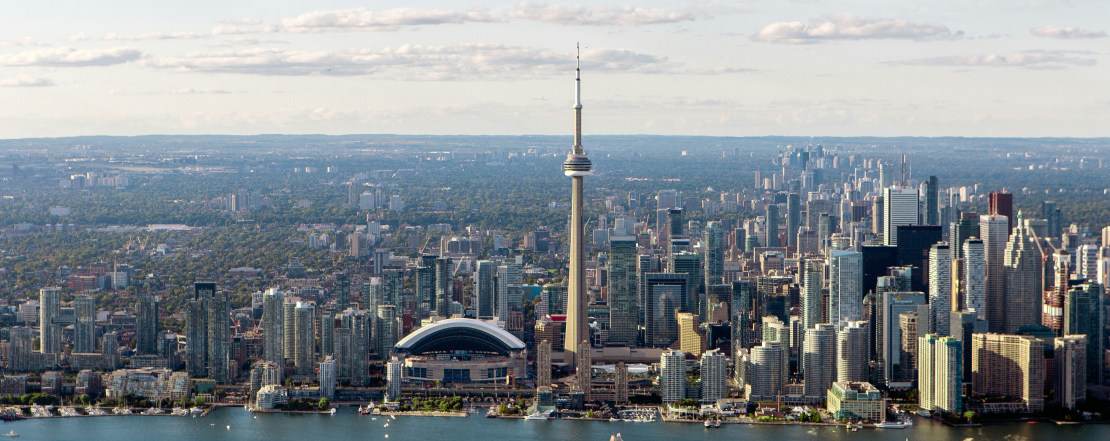
Canada operates a national health insurance model providing broad population coverage through a centralised public insurance framework. Private healthcare and supplementary cover are used to access additional services and provider flexibility.
This Canada overview provides a snapshot of the country’s demographic, socioeconomic, and healthcare landscape. For globally mobile individuals and families, such indicators help compare countries before relocating.
National Health Insurance (single-payer)
Universal coverage
Moderate
Moderate
41’288’600
40.5
54.8 / 100
25th
2.85 per 1’000
USD 6’377.97
82
USD 9'235.44
How the Healthcare
System Works
Canada’s healthcare system is built around a national insurance framework that provides broad access to medically necessary care. Public insurance plays the central role, while private providers support additional choice and specialist access.
Canada operates a GP gatekeeper model, meaning access to most medical specialists requires a referral from a family physician. While this supports coordinated care, it can extend waiting times for non-urgent specialist consultations due to the shortage of family physicians. Public healthcare covers medically necessary hospital and physician services, but outpatient prescription medicines, dental care, vision care, physiotherapy, and semi-private or private hospital rooms are generally not fully covered.
Expatriates and international residents commonly use private healthcare and international medical insurance for broader provider access, shorter waiting times, and access to premium facilities.

A Family Office for your health.
Full medical concierge service, access to exclusive check-up and longevity programs, medical records management, and much more.
Private Medical Insurance
in Canada
Private medical insurance in Canada is commonly used to supplement public healthcare access and provide entry to private hospitals, specialist treatment, and enhanced healthcare services.
Premiums vary by age, benefit structure, provider network, and outpatient inclusion. Comprehensive plans with international coverage and premium hospital access usually come at a higher cost.
Moving Abroad? Find the best health insurance.

Expected Premium Levels
Premiums reflect the scope of protection and the level of service. The most significant factors impacting the premium are the country of residence, age, area of cover, benefit level and scope of cover, deductibles, and sometimes restrictions on medical provider access. International private medical insurance plans can be tailored to individual needs and preferences to balance comprehensive global access with budget availability.
For very comprehensive international private medical insurance, with little to no out-of-pocket costs, the following are the premium levels to be expected for someone who is resident in Canada.
| Persona | Profile | Average annual premium (USD) |
|---|---|---|
| Persona 1 | 35-year-old male | 8'041.96 |
| Persona 2 | 50-year-old female | 12'826.76 |
| Persona 3 | 24-year-old female | 6'837.62 |
Contact Us
Whether you are looking for a medical concierge service, long-term health management, or private health insurance, our team is here to help. Get in touch to discuss your needs and discover how we can support you.